


Bucket Tooth
STONE: Leading Bucket Tooth Manufacturer In China
STONE(Shanghai) Engineering Machinery Co.,Ltd is a maintenance base for construction machinery parts, specializing in providing maintenance services and parts for mining enterprise equipment. Our team was established in 2004 and is headquartered in Shanghai, China. It has a registered capital of 15 million yuan and has a completely independent brand STONE. We specialize in the production and supply of spare parts for Bulldozers, Excavators, and Wheel Loaders. Our detailed catalog offers a complete selection of OEM parts including Track Chain, Track Rollers, Sprocket, Excavator Buckets, Blades, Excavator Cylinders, Swing Circles and more. Also offers a wide range of electrical and hydraulic parts.
OEM service
We offer comprehensive OEM services tailored to meet your specific needs and requirements. With our extensive experience and advanced manufacturing capabilities, we ensure precise customization, reliable quality, and timely delivery.
High Quality
Our commitment to high quality extends across every facet of our products and services. We adhere to stringent quality control measures throughout the manufacturing process, ensuring superior craftsmanship and reliability.
Rich Experience
We have accumulated 20 years of industry experience,positioning us as leaders in our field. Our expertise and access to sophisticated production equipment are key factors contributing to our competitive edge.


What is Bucket Tooth?
A bucket tooth of an excavator refers to the replaceable digging element attached to the edge of the excavator bucket. It is typically made of a durable material like steel and is designed to withstand the rigors of digging and loading materials.The bucket tooth is the primary point of contact between the bucket and the material being excavated. It digs into the ground or material to scoop it up and then transfers the load into the bucket.Bucket teeth are usually made from high-strength alloy steel to resist wear and impact. Some teeth may have additional hardening treatments or wear-resistant coatings to extend their lifespan.
What are benefits of Bucket Tooth.
Enhanced Digging Performance
Bucket teeth are designed to penetrate various types of material effectively, whether it's soil, rock, or gravel. Their shape and configuration help in digging efficiently and loading material into the bucket.
Durability
Bucket teeth are typically made from high-strength alloy steel or other durable materials that can withstand the abrasive nature of digging. This durability ensures a longer lifespan and reduces the frequency of replacements, thereby lowering maintenance costs.
Replaceability
One of the significant advantages is that bucket teeth are replaceable. When a tooth becomes worn or damaged, it can be easily unbolted and replaced with a new one. This quick replacement process minimizes downtime and allows the excavator to remain operational with minimal interruption.
Versatility
Different types of bucket teeth are available to suit various applications. For example, sharp teeth are used for digging hard materials like rock, while flat teeth are more suitable for general-purpose digging in soil. This versatility allows operators to adapt their excavators for different tasks and conditions.
Improved Efficiency
By using well-designed bucket teeth, excavators can achieve higher productivity and efficiency in digging and loading operations. The teeth grip and penetrate the material effectively, allowing the excavator to fill the bucket faster and handle larger volumes of material in less time.
Cost-Effectiveness
Although bucket teeth require periodic replacement due to wear, their initial cost and the cost of replacement are generally lower compared to replacing an entire bucket or other critical components of the excavator. This makes bucket teeth a cost-effective solution for maintaining the performance of excavators over time.
What are the main types of Bucket Tooth?
Standard
It is used in loading, hauling, excavating works. Its wear rate is high.
Rock Chisel
It is used for generalexcavation work with more abrasive materials. lt haswear and tear age of 3-5 times bigger than other shapes of teeth.
Rock Penetration
It is on work in rocky media that requires high penetration.
Unitooth
It is used in light to moderate work.
Penetration
It is used for works that require high penetration.
lt is commonly used onclay media..
Flare
It is used on excavators that have large transport capacity
What are the main materrial of Bucket Tooth?
Carbon Steel
Carbon steel is often used for standard bucket teeth due to its strength and affordability. It provides good hardness and wear resistance.
Alloy Steel
Alloy steels, such as boron steel, are preferred for their enhanced strength and durability. These steels can withstand higher impact loads and offer better wear resistance compared to carbon steel.
Tungsten Carbide
Tungsten carbide inserts or coatings are sometimes used on bucket teeth to increase hardness and wear resistance. Tungsten carbide is extremely hard and can significantly extend the lifespan of the tooth in abrasive conditions.
Cast Manganese Steel
Manganese steel is known for its toughness and ability to withstand shock loading. It is often used in heavy-duty bucket teeth where impact resistance is crucial.
Application of Bucket Tooth
1. Mining and Quarrying
In mining and quarrying operations, excavator bucket teeth are crucial for extracting minerals, ores, and aggregates from the earth. They facilitate efficient material extraction and loading onto trucks or conveyor systems.
2. Digging and Excavation
The primary function of bucket teeth is to penetrate and dig through various materials such as soil, gravel, sand, and clay. The shape and design of the teeth help in breaking and loosening the material so that it can be efficiently scooped and moved by the excavator's bucket.
3. Cutting and Trenching
Bucket teeth are essential for cutting through compacted soils and creating trenches for laying pipes, cables, or utilities. The sharp edges and robust construction of the teeth enable the excavator to carve through tough ground surfaces effectively.
4. Material Handling
Excavator bucket teeth aid in gripping and lifting materials, whether it's loading trucks, transferring debris, or moving objects within a construction site. The teeth enhance the bucket's ability to securely grasp and manipulate various types of loads.
5. Demolition
During demolition activities, excavator bucket teeth are used to break and dismantle structures such as concrete walls, buildings, and pavement. The teeth help in chipping away at materials and debris to clear the site effectively.
6. Landscaping and Site Preparation
In landscaping projects, bucket teeth assist in shaping terrain, leveling ground, and preparing sites for construction or planting. They enable precise excavation and grading tasks to achieve desired contours and slopes.
7. Maintenance and Clearing
Bucket teeth are also employed in routine maintenance tasks, such as clearing debris, cleaning ditches, and maintaining drainage systems. They help in keeping construction sites, roads, and infrastructure clear and functional.
What you should know when using Bucket Tooth?
Inspect Regularly
Before each use, inspect the condition of the bucket teeth. Look for signs of wear, cracks, or damage that could affect performance or safety. Replace worn or damaged teeth promptly to prevent further issues.
Choose the Right Tooth
Select bucket teeth that are appropriate for the specific job and materials you are working with. Different tooth designs (such as standard, rock, or heavy-duty) are suited for different applications and ground conditions.
Monitor Wear
Bucket teeth wear over time due to abrasion and impact. Monitor the wear patterns regularly and rotate or replace teeth as needed to maintain optimal digging efficiency and minimize downtime.
Proper Installation
Ensure that bucket teeth are properly installed according to manufacturer guidelines. Improper installation can lead to premature wear, breakage, or damage to the bucket or excavator.
Operational Techniques
Use proper operational techniques to minimize wear on bucket teeth. Avoid excessive digging forces, use the correct angle of attack, and avoid hitting hard objects directly with the teeth to prolong their lifespan.
Maintenance
Implement a regular maintenance schedule for the bucket teeth and associated components. Clean teeth and inspect tooth adapters and retention hardware for tightness and integrity.
Safety Practices
Always follow safety protocols when using excavators and handling bucket teeth. Be aware of surrounding personnel and equipment, and operate machinery within safe load limits and operational parameters.
Training and Knowledge
Operators should be trained in the proper use and maintenance of bucket teeth and excavator equipment. Knowledge of operating manuals and guidelines specific to the equipment being used is crucial.
Environmental Considerations
Consider environmental factors such as ground conditions (soil type, rocks, etc.) and weather conditions (temperature, moisture) which can impact the performance and wear of bucket teeth.
Replacement Planning
Plan for timely replacement of bucket teeth based on wear patterns and manufacturer recommendations. Proper planning can help minimize downtime and maximize productivity.
What is the process of Bucket Tooth?
Material Selection: High-quality steel alloys are chosen for their hardness, toughness, and resistance to wear and impact. Depending on the specific requirements, different grades of carbon steel, alloy steel, or specialty steels like manganese steel may be selected.
Cutting and Shaping: The selected steel materials are cut and shaped into rough forms using cutting tools and machinery. This initial shaping process may involve cutting, forging, or casting, depending on the manufacturing method chosen by the producer.
Forging or Casting: Forging involves heating the steel to a high temperature and shaping it under controlled conditions using dies and presses. This process helps align the grain structure of the steel, enhancing its strength and toughness.Casting involves pouring molten steel into molds to form the desired shape of the bucket teeth. This method allows for intricate designs and is suitable for producing large quantities of teeth.
Heat Treatment: After shaping, the bucket teeth undergo heat treatment processes such as quenching and tempering to achieve the desired hardness, toughness, and mechanical properties. Heat treatment helps improve the wear resistance and durability of the teeth.
Machining: Once heat treated, the bucket teeth are machined to achieve precise dimensions and surface finishes. This includes drilling holes for mounting bolts or pins, grinding or milling to refine the shape, and removing any surface imperfections.
Surface Treatment: Surface treatments may be applied to enhance the corrosion resistance or wear properties of the bucket teeth. This can include coatings such as zinc plating, painting, or applying wear-resistant materials like tungsten carbide to specific areas of the teeth.
Quality Control: Throughout the manufacturing process, rigorous quality control measures are implemented to ensure that each bucket tooth meets specified standards for dimensions, hardness, surface finish, and overall quality. This may involve dimensional inspections, hardness testing, visual inspections, and other quality checks.
Assembly: If the bucket teeth require additional components such as adapters or retention systems, these are assembled onto the teeth during this stage.
Packaging and Distribution: Once quality control checks are completed and teeth are finalized, they are packaged according to customer requirements and distributed to equipment manufacturers, dealers, or end-users.
FAQ
Certifications


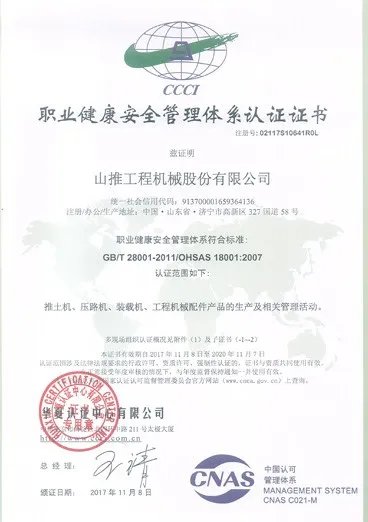

We're professional bucket tooth manufacturers and suppliers in China, specialized in providing high quality customized service. We warmly welcome you to buy high-grade bucket tooth for sale here from our factory.