


Carrier Roller
STONE: Leading Carrier Roller Manufacturer in China
STONE(Shanghai) Engineering Machinery Co.,Ltd is a maintenance base for construction machinery parts, specializing in providing maintenance services and parts for mining enterprise equipment. Our team was established in 2004 and is headquartered in Shanghai, China. It has a registered capital of 15 million yuan and has a completely independent brand STONE. We specialize in the production and supply of spare parts for Bulldozers, Excavators, and Wheel Loaders. Our detailed catalog offers a complete selection of OEM parts including Track Chain, Track Rollers, Sprocket, Excavator Buckets, Blades, Excavator Cylinders, Swing Circles and more. Also offers a wide range of electrical and hydraulic parts.
Exquisite production technology
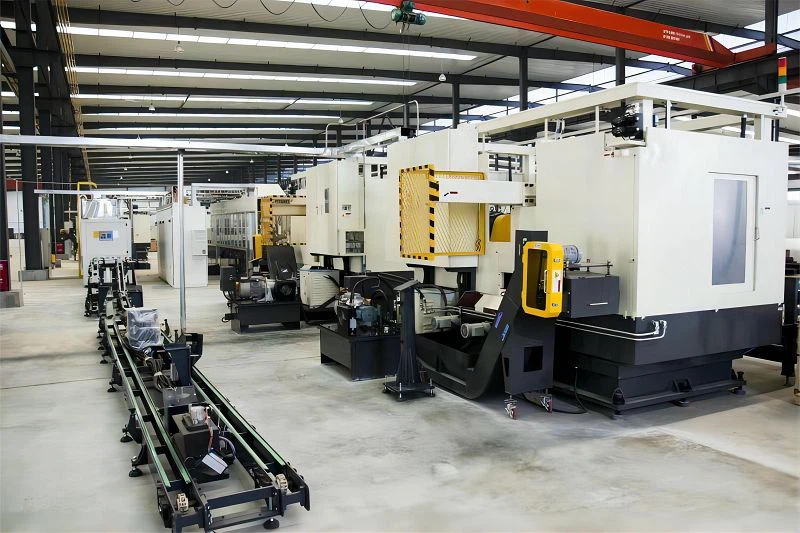
Processed with high-quality raw materials the wear resistance is higher. Automated production perfectly guarantees product quality.
Powerful warehousing and logistics
It has a large warehouse of 3,000 square meters to ensure the delivery time of accessories. Customizable delivery services to speed up logistics delivery.
Professional business capabilities
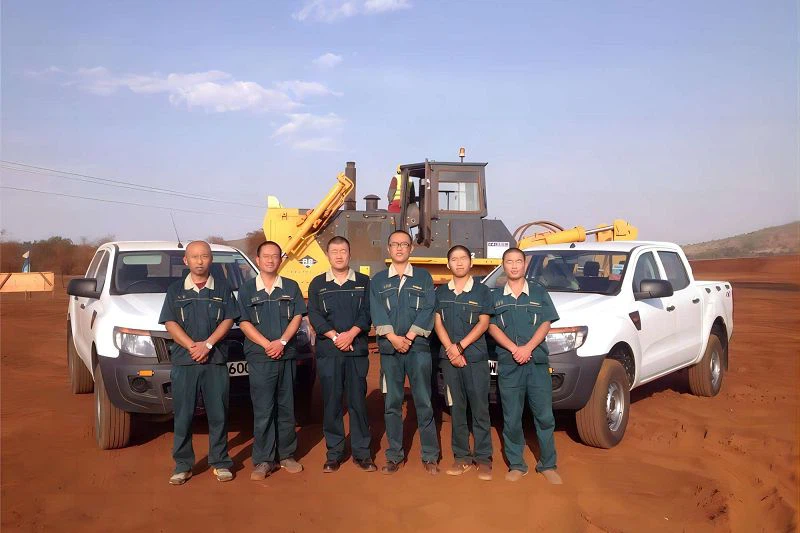
A complete data system ensures product accuracy. The professional maintenance team will respond online within 24 hours and solve construction site problems within 48 hours.
Service capabilities
The industry knowledge and professional capabilities of the STONE team are the first priority in serving customers!


Introduction of Carrier Roller
A carrier roller, also known as a top roller or upper roller, is a component of the undercarriage of tracked machinery such as excavators, bulldozers, and other construction equipment. The carrier roller is located at the top of the undercarriage and serves to support the weight of the track chain and distribute the weight evenly across the undercarriage. The carrier roller typically has a cylindrical shape with a bearing in the center and rotates on an axle, allowing the track chain to move smoothly and reduce friction. Carrier rollers play an important role in ensuring the stability and durability of the undercarriage and preventing premature wear and tear of the track chain.
The carrier roller is a makes the crawler chains from rubbing against the chassis and which is rotating around the spindle in contact with the pallet chain. The track roller is a rotates around the spindle in contact with the pallet chain on crawler construction and excavation machines.
Some Ways In Which The Carrier Roller Can Affect The Excavator’s Performance
Stability
The carrier roller helps to distribute the weight of the excavator evenly across the undercarriage, which helps to improve stability and prevent tipping or rolling over. A properly functioning carrier roller can help keep the excavator stable, especially on uneven terrain.
Traction
The carrier roller guides the track chain and helps to maintain optimal tension, which improves traction and allows the excavator to move easily over rough or uneven terrain. A damaged or worn-out carrier roller can reduce traction, making it more difficult to operate the excavator.
Efficiency
A properly functioning carrier roller helps to reduce friction between the track chain and the undercarriage, which improves efficiency and reduces fuel consumption. This can result in lower operating costs and improved productivity.
Durability
The carrier roller is made from high-quality materials that are designed to withstand heavy loads and rough terrain. A damaged or worn-out carrier roller can reduce the lifespan of the undercarriage and other components, leading to increased repair and maintenance costs.
What Is The Difference Between Track Roller And Carrier Roller?
Track rollers and carrier rollers are components of the undercarriage system found on tracked vehicles and heavy equipment. They serve different functions and are positioned at different locations along the track assembly. Here's a breakdown of the differences between track rollers and carrier rollers:
Function
Track Rollers: Track rollers, also known as bottom rollers or support rollers, play a crucial role in supporting the weight of the machine and maintaining the tension and alignment of the track. They are typically located at the lower part of the undercarriage, directly in contact with the ground. Track rollers evenly distribute the weight of the equipment across the tracks and help it move smoothly over uneven terrain.
Carrier Rollers: Carrier rollers, also known as top rollers or upper rollers, have a different function. They are positioned higher in the undercarriage system, typically near the top of the track frame, and they don't make direct contact with the ground. Carrier rollers primarily guide the track, prevent excessive slack, and ensure proper track tension. They also help keep the track centered on the sprocket and maintain alignment.
Location
Track Rollers: These are located at the bottom of the undercarriage, directly in contact with the ground or terrain. They are evenly spaced along the length of the track assembly.
Carrier Rollers: Carrier rollers are positioned higher up in the undercarriage, closer to the frame of the machine. They are usually positioned in the front or rear of the undercarriage frame and are less numerous than track rollers.
Design
Track Rollers: Track rollers have a cylindrical or barrel-shaped design with a rolling surface that makes contact with the ground. They are built to withstand the wear and abrasion caused by direct contact with the terrain.
Carrier Rollers: Carrier rollers typically have a flatter, wheel-like design with a larger diameter compared to track rollers. They have a smoother surface and are designed to reduce wear on the top of the track and guide it smoothly.
Wear and Maintenance
Track Rollers: Due to their direct contact with the ground, track rollers are more susceptible to wear and may require more frequent maintenance or replacement.
Carrier Rollers: Carrier rollers are subject to less wear since they don't make direct contact with the ground. However, they still play a critical role in the overall performance of the undercarriage and should be inspected regularly.
How Does a Carrier Roller Contribute To The Smooth Movement And Operation Of Machinery


Load Support: Carrier rollers provide support for the load being transported on the machinery. They are typically positioned beneath the conveyor belt or load-carrying surface and distribute the weight of the load evenly across multiple rollers. This helps prevent excessive stress on individual components and ensures stable load support.
Reduced Friction: The rotation of the carrier rollers helps reduce friction between the conveyor belt or load-carrying surface and the supporting structure. By reducing friction, carrier rollers facilitate the smooth movement of the belt or load, minimizing resistance and energy consumption.
Alignment and Tracking: Carrier rollers assist in maintaining proper alignment and tracking of the conveyor belt or load-carrying surface. They help guide the belt or load along a specified path, preventing lateral movement or misalignment that can cause disruptions or damage to the machinery. Proper alignment and tracking contribute to smoother operation and minimize the risk of belt slippage or jamming.
Shock Absorption: Carrier rollers can absorb minor shocks or impacts that occur during the operation of the machinery. They act as a buffer between the load and the supporting structure, helping to dampen vibrations and minimize the transfer of shock forces. This absorption of shocks enhances the overall smoothness of the machinery’s operation and reduces stress on other components.
Noise Reduction: Carrier rollers, when properly maintained, contribute to noise reduction in machinery. By facilitating smooth movement and reducing friction, they help minimize noise generated by the interaction between the load and the supporting structure. This can improve the working environment and reduce noise pollution.
Types of Carrier Rollers
Top Rollers: These rollers are located at the top of the undercarriage and primarily provide support and guidance to the upper part of the track chain.
Bottom Rollers: Positioned at the bottom of the undercarriage, these rollers bear the weight of the machine and maintain contact with the ground, facilitating smooth movement.
Center Rollers: Situated in the middle of the undercarriage, these rollers aid in evenly distributing the weight of the machine, promoting stability and balanced movement.
.

Functions Of The Carrier Roller
The carrier roller is responsible for supporting the weight of the excavator and distributing the weight evenly across the undercarriage. It also helps to guide the track chain and prevent it from slipping or derailing.
The Importance of Excavator Carrier Rollers in Maximizing Productivity
Enhanced Stability and Balance
Excavator carrier rollers contribute to the overall stability and balance of the machine during operation. With proper functioning carrier rollers, the excavator can maneuver challenging terrains with reduced risk of tipping or imbalance.
Smooth Operation and Reduced Wear
High-quality carrier rollers ensure smooth movement of the excavator, minimizing friction and wear on other undercarriage components. This results in reduced maintenance and repair costs, as well as extended equipment lifespan.
Increased Efficiency and Performance
Efficient carrier rollers allow the excavator to operate at optimal performance levels. Smooth movement and reduced resistance translate into improved digging, loading, and overall productivity, maximizing your output
What maintenance practices are essential for prolonging the lifespan and ensuring optimal performance of carrier rollers
Lubrication: Ensure that the carrier roller bearings receive proper lubrication. Inadequate lubrication can lead to premature wear and damage.
Cleaning: Keep the carrier rollers and undercarriage components clean. Remove dirt, debris, and mud that can accumulate on the rollers and impact their performance. Clean the area around the carrier rollers regularly.
Alignment: Check the alignment of the carrier rollers with the track and other undercarriage components. Misalignment can lead to uneven wear and reduced efficiency. Adjust the alignment as needed following the manufacturer’s guidelines.
Tension Adjustment: Maintain the recommended track tension, which includes ensuring that the carrier rollers are correctly adjusted. Follow the manufacturer’s guidelines for proper track tension, and make adjustments as necessary.
Replacement: Replace carrier rollers when they reach the end of their service life or when they show signs of excessive wear, damage, or misalignment. Using worn-out rollers can lead to more significant undercarriage problems.
Track Maintenance: Regularly inspect and maintain the entire track system, including the track chains, sprockets, and idlers. A well-maintained track system can help reduce the wear on carrier rollers.
Grease Seals: Check the condition of grease seals around the carrier roller bearings. Damaged seals can allow contaminants to enter and damage the bearings. Replace seals as needed.
Worn or Damaged Components: If you identify worn or damaged components during inspections, such as bearings, bushings, or shafts, replace them promptly to prevent further damage.
Use Genuine Parts: When replacing carrier rollers and related components, use genuine manufacturer-approved parts. Using high-quality, OEM parts ensures compatibility and optimal performance.
Operator Training: Train equipment operators to recognize signs of carrier roller issues and perform daily pre-operation checks. This can help identify and address problems early.
Maintenance Records: Keep detailed maintenance records, including inspection dates, lubrication schedules, and replacement history. These records are valuable for tracking the condition of the carrier rollers and other undercarriage components.
Timely Repairs: Address any issues or abnormalities promptly. Delayed repairs can lead to more extensive and costly problems down the line.
Our Factory



Common Problems of Carrier Roller
We're professional carrier roller manufacturers and suppliers in China, specialized in providing high quality customized service. We warmly welcome you to buy high-grade carrier roller for sale here from our factory.
Excavator Carrier Roller, carrier roller excavator, Bulldozer Carrier Roller