


Undercarriage Parts
STONE: Leading Undercarriage Parts Manufacturer in China
STONE(Shanghai) Engineering Machinery Co.,Ltd is a maintenance base for construction machinery parts, specializing in providing maintenance services and parts for mining enterprise equipment. Our team was established in 2004 and is headquartered in Shanghai, China. It has a registered capital of 15 million yuan and has a completely independent brand STONE. We specialize in the production and supply of spare parts for Bulldozers, Excavators, and Wheel Loaders. Our detailed catalog offers a complete selection of OEM parts including Track Chain, Track Rollers, Sprocket, Excavator Buckets, Blades, Excavator Cylinders, Swing Circles and more. Also offers a wide range of electrical and hydraulic parts.
Exquisite production technology
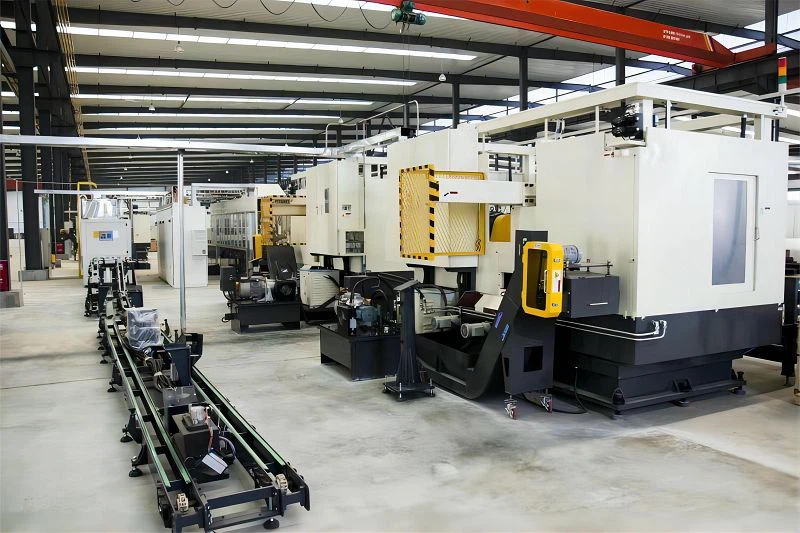
Processed with high-quality raw materials the wear resistance is higher. Automated production perfectly guarantees product quality.
Powerful warehousing and logistics
It has a large warehouse of 3,000 square meters to ensure the delivery time of accessories. Customizable delivery services to speed up logistics delivery.
Professional business capabilities
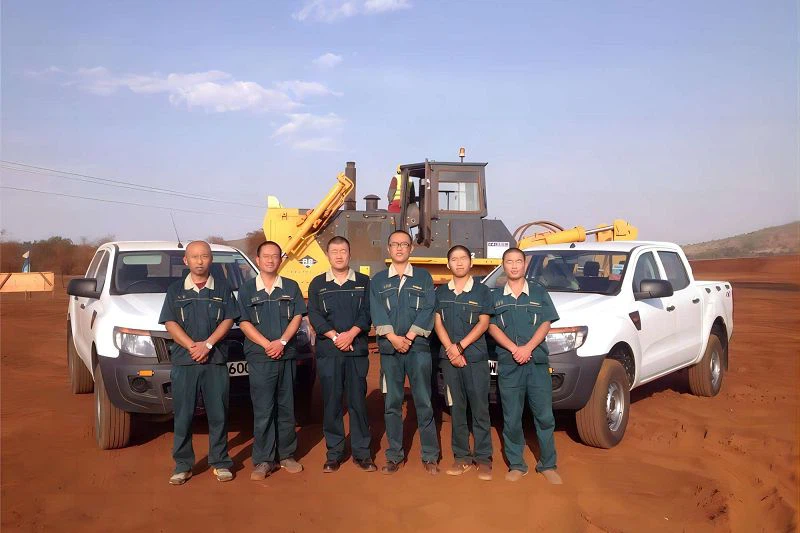
A complete data system ensures product accuracy. The professional maintenance team will respond online within 24 hours and solve construction site problems within 48 hours.
Service capabilities
The industry knowledge and professional capabilities of the STONE team are the first priority in serving customers!


Introduction of Undercarriage Parts
Heavy equipment undercarriage components refer to a group of parts that support and move the machine, including tracks or wheels, and their associated elements. Its function has a crucial role in the performance, stability and service life of the tool.
An undercarriage is a supporting structure located beneath various types of vehicles, including excavator undercarriages, dozer undercarriages, cars, or tractor-trailers. Wheels or tracks are installed on or connected to these undercarriage parts to support the movement of your machine.
Undercarriage Parts" consist of "Sprocket" & "Carrier Roller (Top Roller)" & "Front Idler" & "Track Roller (Bottom Roller)" & "Track Link / Track Link Assembly".
Types of Undercarriage Parts


Oval Track
Oval track is a type of undercarriage with an oval shape. As the name suggests, this track has a shape similar to a circle that is slightly extended into an oval. Generally, heavy equipment such as excavators and backhoes are equipped with this type of undercarriage.
Elevated Sprocket Track
Elevated Sprocket Track is a type of undercarriage which has the characteristic that the drive gear (sprocket) is placed in a higher position than other components. In this arrangement, the sprockets are not directly in contact with the ground surface, providing several important advantages.
Track Links
It is formed of various elements such as links, pins, seals and sleeves which are connected together in different mechanisms with the help of flexible connectors. In fact, track links are the undercarriage component that has the most vital role because they represent 50% of the total undercarriage replacement costs.
Track Shoes
Track shoes are designed to provide traction and support the weight of heavy equipment on the ground. Diverse working conditions emphasize the importance of selecting appropriate footwear. A wise rule of thumb is to choose a slimmer shoe to ensure adequate flotation.
Shoes that are too wide are more susceptible to sagging, bending and cracking. They require more force to turn, which can affect maneuverability. Choosing the right shoe width will provide optimal performance and reduce overall system costs as much as possible.
Sprockets
Transferring the drive load from the final drive through the sleeve, the track sleeve is then picked up by the drive gear and drives the track group through which the machine travels. Please remember that installing a chain link on a worn drive gear will only increase wear and shorten the life of the link sleeve.
Track Rollers and Carrier Rollers
Track rollers are responsible for supporting the weight of heavy equipment and regulating load distribution along the track. There are two wheel variants, namely those with two flanges and one flange, both of which function to support the weight of the bulldozer and maintain its height from the ground.
Meanwhile, the carrier rollers at the top aim to prevent looseness of the track. So that the life of the track wheels can be extended, it is best to avoid rotations that do not make a productive contribution.
Idler Wheels
Idler wheels are used to direct the track when entering and exiting the track wheels and provide a way to regulate slack and tension in the track.
Maintenance of Undercarriage Parts
Wear and tear: Heavy equipment undercarriages are subjected to constant wear and tear. This is due to the harsh operating conditions they are exposed to. Over time, the track chains, track shoes, rollers, idlers, sprockets, and other undercarriage components can wear out. This leads to reduced performance and increased downtime.
Misalignment: Misalignment of the undercarriage components can occur due to various reasons. Some possibilities are improper tension, uneven loading, or impacts from obstacles. Misaligned components can cause uneven wear and premature failure of the undercarriage, leading to costly repairs and reduced productivity.
Track damage: Tracks can get damaged due to impacts from rocks, debris, or uneven terrains. This can result in cuts, tears, or punctures in the track rubber. This reduces the traction and stability of the machine, affecting overall performance.
Leaks: Hydraulic fluid or oil leaks can occur in the undercarriage components, such as seals, gaskets, and bearings. Leaks can lead to reduced performance, increased wear, and potential damage to other components if not addressed promptly.
Corrosion: Heavy equipment used in corrosive environments, such as coastal areas or mining sites, can be prone to corrosion. Corrosion can damage the undercarriage components, leading to premature wear and reduced lifespan.
Lack of lubrication: Proper lubrication is essential for the smooth operation of the undercarriage components. Inadequate or irregular lubrication can result in increased friction, accelerated wear, and potential damage to components.
Overloading: Overloading heavy equipment can put excessive strain on the undercarriage components, leading to accelerated wear and potential failure. It is important to adhere to the manufacturer’s recommended load limits and operating guidelines to prevent overloading.
Irregular or inadequate maintenance can result in undercarriage issues. Skipping scheduled maintenance tasks, such as tensioning, alignment checks, or component replacements, can lead to increased wear, reduced performance, and costly repairs.
Features of Undercarriage Parts
Stability
There are numerous undercarriage components available on the global market, such as the suspension system and control arms, which provide stability by absorbing shocks and maintaining proper contact between the tires and the road surface.
As a result, the vulnerability of any road accident can be avoided by using stable undercarriage parts.
Control
Components like the steering system and control arms enable precise control over the vehicle's direction and handling, allowing drivers to navigate curves and corners smoothly. In this way, auto or heavy machinery drivers have full-fledged control over their machinery or vehicle.
Comfort
One of the undercarriage components is a suspension system that consists of springs and shock absorbers that work together to absorb and consume energy from sudden jerks in the road, minimize vibrations, and reduce the impacts of bumps and uneven road surfaces, finally providing a comfortable ride,
Safety
Well-equipped undercarriage parts, such as brakes, brake pads, calipers, and many more, offer efficient stopping power and responsive braking, enhancing overall safety on the road.Whenever an object comes in the path of a driver or operator, they have the capacity to stop it by utilizing a safety brake.
Handling
The suspension system, steering system, and control arms work in unison to provide responsive handling, allowing drivers to maintain control over the vehicle's movements.
Durability
Undercarriage components are designed to withstand the stresses and strains of daily driving, ensuring durability and longevity even in demanding situations.They are built from hardened metallic alloys to maintain their intrinsic configurations without disrupting their
fundamental properties, even in an aggressive external environment.
Performance Enhancement
Upgrading certain undercarriage components, such as suspension systems or brake systems, can significantly improve the overall performance of a vehicle, enhancing acceleration, handling, and loading capabilities.
Noise Reduction
Mufflers and exhaust system components help reduce the noise of the engine and provide a quieter driving experience boosting comfort for both drivers and passengers.
Emission Control
Undercarriage parts, particularly catalytic converters, play a vital role in mitigating harmful emissions, helping to minimize the environmental impact of vehicle operation.
Fuel Efficiency
Well-maintained undercarriage components, including wheel bearings and axles, contribute to reduced rolling resistance, which improves fuel efficiency and lowers overall fuel consumption.Easy Replacement
Many undercarriage parts are designed for relatively easy replacement, making it convenient and cost-effective to address wear and tear or perform upgrades.
Customization Options
Undercarriage parts often come with a range of customization options, allowing vehicle owners to tailor their vehicle’s performance and appearance to their preferences.
Corrosion Resistance
Undercarriage parts are typically constructed with materials that offer resistance to corrosion, helping to maintain their structural integrity and performance over time.
Warranty Coverage
Undercarriage parts, when properly maintained and serviced, may be covered by the warranties of a manufacturer, providing peace of mind and potential cost savings of unexpected failures or defects.
Function of Undercarriage Parts

Power Delivery
The undercarriage functions as an intermediary between the engine and the ground, transmitting engine power to the ground through its components. This allows the machine to move and carry out its tasks. Undercarriage components work together to maintain efficient power flow, reduce friction and overcome resistance, ensuring the engine operates optimally.
Mobility
The main function of the undercarriage is to provide mobility to heavy equipment. The undercarriage allows the tool to move on a variety of terrain, from flat surfaces to rough and rocky terrain. This enables operators to reach hard-to-reach work areas and perform a variety of tasks.

Productivity and Efficiency
The undercarriage affects the productivity and efficiency of the machine. A properly designed and maintained undercarriage can increase productivity by maximizing power flow and mobility, and reducing downtime due to repairs. An efficient undercarriage also reduces fuel consumption, operational costs and the environmental impact of machine operation.
Our Factory



Common Problems of Undercarriage Parts
We're professional undercarriage parts manufacturers and suppliers in China, specialized in providing high quality customized service. We warmly welcome you to buy high-grade undercarriage parts for sale here from our factory.