


Idler
STONE: Leading Idler Manufacturer in China
STONE(Shanghai) Engineering Machinery Co.,Ltd is a maintenance base for construction machinery parts, specializing in providing maintenance services and parts for mining enterprise equipment. Our team was established in 2004 and is headquartered in Shanghai, China. It has a registered capital of 15 million yuan and has a completely independent brand STONE. We specialize in the production and supply of spare parts for Bulldozers, Excavators, and Wheel Loaders. Our detailed catalog offers a complete selection of OEM parts including Track Chain, Track Rollers, Sprocket, Excavator Buckets, Blades, Excavator Cylinders, Swing Circles and more. Also offers a wide range of electrical and hydraulic parts.
Exquisite production technology
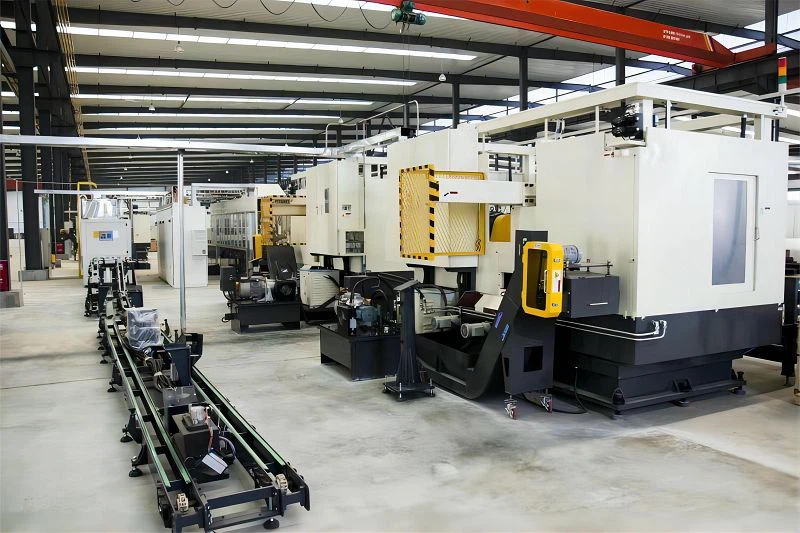
Processed with high-quality raw materials the wear resistance is higher. Automated production perfectly guarantees product quality.
Powerful warehousing and logistics
It has a large warehouse of 3,000 square meters to ensure the delivery time of accessories. Customizable delivery services to speed up logistics delivery.
Professional business capabilities
A complete data system ensures product accuracy. The professional maintenance team will respond online within 24 hours and solve construction site problems within 48 hours.
Service capabilities
The industry knowledge and professional capabilities of the STONE team are the first priority in serving customers!


Introduction of Idler
An idler wheel is a type of wheel that is used in various mechanical systems to transfer motion or power. It is typically used to maintain tension in a belt or chain, change the direction of motion, or provide support and guidance for the moving parts of a machine. Idler wheels can be found in a wide range of applications, including automotive systems, industrial machinery, and consumer products. In a machine’s undercarriage, the idler is most commonly located in the front and/or rear of the undercarriage, as its job is to move the track and propel the machine forwards and backward. The front idler also keeps everything aligned and absorbs the impact of the shock while driving the machine. Idlers are wheel-shaped and usually quite sizable. They work with the tensioner in the undercarriage to ensure adequate tension of the track to prevent the track from falling off. This ensures that the track chain stays aligned during movement across rough and challenging terrain.
Types of Idlers
The idlers are mounted on different parts of the conveyor belt according to the purpose of use. There are all kinds of rollers; However, each of the four most common rollers has special benefits. Some of these benefits include absorbing shock, supporting conveyor belt carry and return, or maintaining proper tracking of conveyor belt. Here are a few common types:
Flat returnable idler wheel
Flat return idlers are the most common idlers on the return side of a conveyor. Single steel is mounted on two brackets. Although flat return idlers with single-roll designs are the most common, there are also two-roll ones.
The purpose of using flat return roller is to support the conveyor belt from the return side to prevent the stretching, sagging and failure of the conveyor belt, so as to increase the service life of the conveyor belt.
Trough Idlers
Trough idlers are the most common type of transport idlers, usually designed with 3 or 5 idlers, installed on the conveyor belt handling side. The five roller idlers provide a more uniform cross section, resulting in a greater net carrying capacity. The 3-roll design has a central idler and flanks of airfoil idlers.
The advantage of using trough idlers is that they help ensure that the carrying capacity of the conveyor belt is the same along the length of the belt. With a more even load-bearing distribution, the maximum capacity of the loading point material does not fall off the belt.
Impact type idler
Impact rollers are designed for belt loading areas and belt damage is common due to falling material and continuous impact. The impact drum absorbs the impact force to help prevent damage to the conveyor belt, idler frame and surrounding structure.
The key benefit of using impact rollers is to prevent damage to belts, which can be costly to repair and replace. As a result, they help increase productivity and reduce maintenance costs.
Training return idler
The training return idler detects and corrects misalignment of the belt, ensuring accurate belt tracking at the end of the conveyor during operation.
Serious damage to the belt, as well as to anything the belt comes into contact with, can occur if the belt is misaligned and rubs against the fixed structure, head chute, or parts of the conveyor. Therefore, the use of trained return idlers helps to reduce belt damage and related maintenance costs to belts, structures and components.
Maintenance of Idler
To limit and avoid the idler replacement process, make sure to perform regular inspection and maintenance on your equipment. These routine inspections will help you identify problems early on and save you money in the long run. Having a professional install the idler might be expensive, but it saves time and could very well prevent future issues. If you plan to replace it yourself, one of the essential steps is to consult the owner’s manual or manufacturer instructions, as each machine and its process might be different.
When inspecting idlers, always search for oil leakage. It can be a warning sign that the seal is no longer working, which can cause further damage to your equipment. If the idlers appear to be in good shape, you can further inspect them by grabbing your user manual and a depth gauge. Use your depth gauge to measure the idler and compare the current size to the original listed in the manual. If you do not own the user manual, there are resources online that will have the measurements or you can contact us and we will help you find all the information you need.
Worn idlers can have serious, long-term consequences like drag, which can cause de-tracking and excessive wear on your idler. Many of our clients’ machines tend to operate in rugged terrain, which increases vulnerability to being worn down over time. However, as previously mentioned, routine inspections and maintenance can keep these issues from becoming much more significant problems.
Advantages of Idler
Reduce friction
Idler rollers rotate freely, which helps reduce friction between the roller and track links. This requires less energy to move the tracks and provides smoother travel.
Support weight
The idler rollers help support the weight of the excavator, especially when operating on an incline. Without the idler rollers, the tracks would sag significantly under the weight.
Improve tracking
The idler rollers help guide the tracks to keep them aligned and tracking properly around turns. If the idler rollers were fixed rather than rotating, the tracks would drag and scrub significantly around turns.
Allow slack adjustment
Many idler rollers use springs to maintain proper track tension. The springs can compensate for slight increases in track length as the rollers and links wear to avoid excess slack.


Function of Idler
The main functions of the idler are to change the steering of the driven wheel, increase the transmission distance, and adjust the pressure angle.
The idler gear is a part of the gear train that plays a transitional role and will not change the transmission relationship. It is to make the force of the gear train more reasonable or to meet the layout of the entire transmission system.
The wheelbase can be extended by the idler gear. The number of teeth has no effect on the value of the transmission ratio, but it will affect the steering of the final wheel.
The idler gear refers to a gear that transmits between two transmission gears that are not in contact with each other, and meshes with these two gears at the same time to change the rotation direction of the driven gear to make it the same as the driving gear.
Idler Installation Checklist
Remove mud, stones, or other debris from conveyor stringers or other mounting surfaces. Remove all burrs, dents, and bumps caused by excessive weld spatter to allow the belt conveyor idler frame to be securely positioned level with the plane of the conveyor and perpendicular to the line of conveyor belt travel.
Rotate each roller to ensure that it turns freely. Thoroughly inspect for any blocking or shipping straps that have not been removed. Visually inspect for any shipping or installation damage to the idler frame or rolls.
Check all idler mounting bolt holes to be sure they are all in-line along each side of the
conveyor frame. This task can be made easier by stretching a length of string or piano
wire along the length of the conveyor. Position the string or wire directly over the center line of the bolt holes and inspect all holes for correct position. Any bolt holes found to be off center must be reworked in order to establish a common center line for the conveyor belt.
Check for and remove any tools or other foreign objects on the belt, particularly on the return side where these items may be between the terminal pulleys as belt deterioration will occur.
Head and tail pulley shafts need to be parallel to each other. All bolts must be properly tightened.

Method To Replace The Excavator Idler
Remove the tracks of the excavator first.
Remove a single valve in the place of the butter mouth, put the butter inside, use the bucket to push the guide wheel in, so that the crawler is as loose as possible, if the excavator used is below 150, remove the track pin, if it is more than 150, use the bucket to hook the track down, remember to remove the single valve, otherwise it is not good to remove the track, and it is even more difficult to install.
Install the guide wheel.
Idler mounting is the same as general wheel mounting. Use a jack to prop up the excavator, then use a screwdriver to unscrew the screws, remove them, attach new wheels, apply lubricating oil, and complete the installation.
Four Signs You May Need to Change Idler Wheel
Abnormal wear patterns
Inspect the idler wheel's surface for signs of uneven wear, excessive wear, or unusual damage. Excessive wear on one side or a worn-out center area can indicate a problem.
Loose or wobbly wheel
If the idler wheel feels loose or wobbles when you manually check it, it may suggest worn-out bearings or damaged components.
Noisy operation
Unusual noises such as grinding, squeaking, or clicking sounds coming from the idler wheel area can indicate a problem with the bearings or other internal parts.
Uneven track tension
If the idler wheel is not properly supporting the track and causing uneven tension, it can lead to premature wear on the tracks themselves.
Application of Idler
An idler is used in many applications, including material handling processes and to improve belt drive performance. Conveyor belt idlers are crucial to the conveying process because they support the belt and conveyor along its full length to prevent stretching, tears, and corrosion.
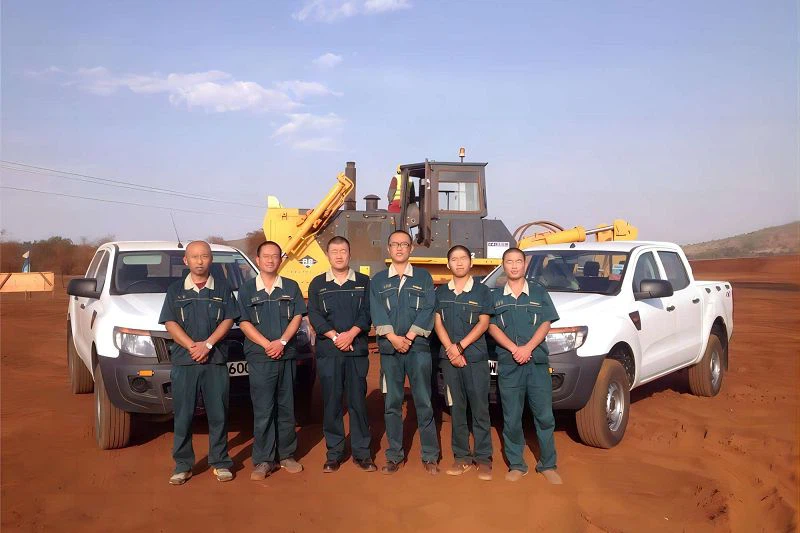
Our Factory



Common Problems of Idler
We're professional idler manufacturers and suppliers in China, specialized in providing high quality customized service. We warmly welcome you to buy high-grade idler for sale here from our factory.
Front Idler Assembly, digger idler wheel, track guide wheels