


Track Roller
STONE: Leading Track Roller Manufacturer in China
STONE(Shanghai) Engineering Machinery Co.,Ltd is a maintenance base for construction machinery parts, specializing in providing maintenance services and parts for mining enterprise equipment. Our team was established in 2004 and is headquartered in Shanghai, China. It has a registered capital of 15 million yuan and has a completely independent brand STONE. We specialize in the production and supply of spare parts for Bulldozers, Excavators, and Wheel Loaders. Our detailed catalog offers a complete selection of OEM parts including Track Chain, Track Rollers, Sprocket, Excavator Buckets, Blades, Excavator Cylinders, Swing Circles and more. Also offers a wide range of electrical and hydraulic parts.
Exquisite production technology
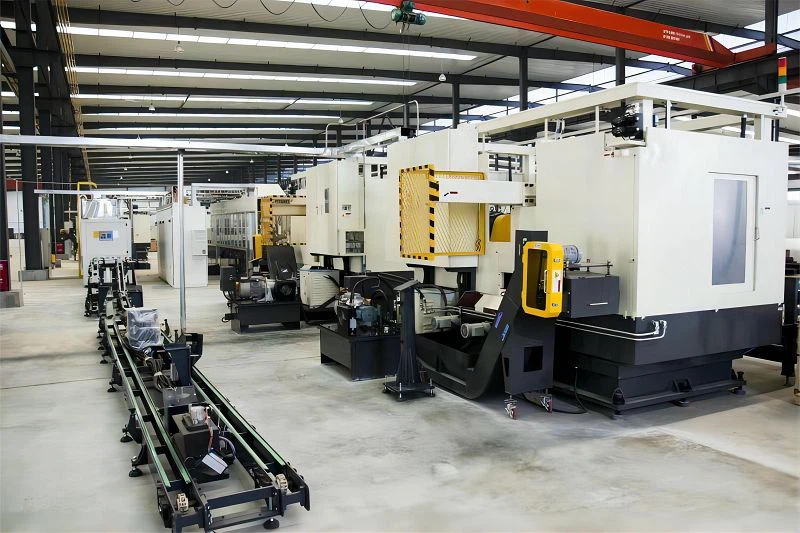
Processed with high-quality raw materials the wear resistance is higher. Automated production perfectly guarantees product quality.
Powerful warehousing and logistics
It has a large warehouse of 3,000 square meters to ensure the delivery time of accessories. Customizable delivery services to speed up logistics delivery.
Professional business capabilities
A complete data system ensures product accuracy. The professional maintenance team will respond online within 24 hours and solve construction site problems within 48 hours.
Service capabilities
The industry knowledge and professional capabilities of the STONE team are the first priority in serving customers!


Introduction of Track Roller
Track rollers, also known as bottom rollers or lower rollers, are components of the undercarriage of tracked machinery such as excavators, bulldozers, and other construction equipment. The track roller is located at the bottom of the undercarriage and serves to support the weight of the machine on the ground and guide the track chain around the sprocket and idler wheels. The track roller typically has a cylindrical shape with a bearing in the center and rotates on an axle, allowing the track chain to move smoothly and reduce friction. Track rollers play an important role in ensuring the stability and traction of the machine on the ground and absorbing shock and impact from rough terrain, as well as preventing premature wear and tear of the track chain.
How Track Rollers Contribute To Overall Performance:
Load Distribution: Track rollers help distribute the weight and load of the machine or vehicle evenly across the track system. They support the weight and provide stability, track roller ensuring proper weight distribution to prevent excessive stress on individual components. This promotes balanced operation and reduces the risk of premature wear or damage to other track components.
Track Traction: Track rollers, along with the track shoes, help provide traction and grip on the terrain. They maintain contact with the ground, allowing the machine or vehicle to move smoothly, especially in challenging or uneven surfaces. Proper traction ensures efficient power transfer from the engine to the tracks, enhancing overall performance and maneuverability.
Track Alignment and Tracking: Track rollers help maintain proper alignment and tracking of the tracks. They guide the track chain and keep it in alignment with the sprockets, ensuring smooth movement and minimizing track misalignment or derailment. Proper alignment and tracking improve overall stability, reduce energy loss, and prevent excessive wear on track components.
Shock Absorption: Track rollers act as shock absorbers, dampening vibrations and impacts that occur during machine operation. They help absorb shocks caused by uneven terrain, bumps, or obstacles, providing a smoother ride and reducing the stress on the machine’s structure and other components. This contributes to operator comfort, extends the machine’s lifespan, and enhances overall efficiency.
Durability and Longevity: Track rollers are designed to withstand heavy loads, continuous operation, and harsh environments. They are typically made of durable materials, such as hardened steel or specialized alloys, to resist wear, impact, and corrosion. Reliable and long-lasting track rollers contribute to the overall longevity and reliability of the machine or vehicle, reducing downtime and maintenance costs.
Maintenance and Serviceability: Properly functioning track rollers simplify maintenance and service tasks. They are designed for easy inspection, lubrication, and replacement when necessary. Smooth and efficient track roller operation reduces the time and effort required for maintenance, contributing to overall efficiency and productivity
Characteristics of a Good Track Roller
The excavator support wheel is one of the most important accessories of the excavator, it is used to support the weight of the excavator while rolling on the guide rails (rail links) or track plate surface of the tracks, it is also used to restrain the tracks and prevent lateral slippage. The support wheel forces the tracks to slide on the ground as the excavator turns. The excavator support wheel is often in mud, water and dust, and is subjected to strong impacts, so it is required to be sealed reliably and the rim is wear-resistant.

What Are the Different Types of Excavator Track Rollers
Excavators are essential machines in construction, mining, and other industries. They come in different sizes and shapes, and each of them has a specific task to perform in various operations. One of the crucial components of an excavator is the track roller, which is responsible for supporting the weight of the machine and providing stability when moving over rough terrain.
Single Flange Rollers
Single flange rollers are the most common type of track rollers and are used in excavators of different sizes. As the name suggests, these rollers have a single flange that supports the weight of the excavator. They are designed to move over rough terrain without causing too much damage to the ground.
Double Flange Rollers
Double flange rollers are less common than single flange rollers, but they are used in some excavator models. They have two flanges, one on each side of the roller, which increases their stability and weight-bearing capacity. Double flange rollers are suitable for heavy-duty operations and moving over rocky terrain.
Center Flange Rollers
Center flange rollers have a flange in the middle of the roller, which offers better weight distribution and stability over rough terrain. These rollers are commonly used in mini excavators that need to move over uneven surfaces without losing balance and tipping.
Top Roller
The top roller is an essential component of the undercarriage system in an excavator. It serves as both a guide and a support for the track chain, preventing it from slipping off the sprocket. Top rollers are mostly used in larger excavator models that require additional support and stability.
Bottom Roller
The bottom roller is the primary weight-bearing component of the undercarriage system in an excavator. It supports the weight of the excavator and distributes it evenly over the ground, preventing damage to the terrain. Bottom rollers are typically placed in a V- shaped pattern to provide maximum stability and weight distribution.

What Functions Do Track Rollers Have
Weight Support: Track rollers bear the weight of the machine and its load. They distribute the weight evenly across the length of the track and transfer it to the ground or terrain. This distribution of weight helps prevent excessive pressure on any single point of the track and minimizes ground pressure, which is especially important for vehicles operating on soft or delicate surfaces.
Track Tension: Track rollers play a significant role in maintaining the proper tension of the track. By supporting the track and guiding it along the track frame, they help prevent excessive slack or sag in the track. Proper track tension is essential for maintaining stability, minimizing wear, and ensuring efficient power transmission from the drive sprocket.
Track Alignment: Track rollers assist in maintaining the alignment of the track as it moves over the idler and sprocket wheels. They help ensure that the track remains centered and properly engaged with the drive sprocket, preventing derailment or misalignment issues.
Track Guidance
Track rollers guide the track by keeping it in contact with the idler and drive sprocket. This guidance helps prevent lateral movement of the track and ensures that it follows the intended path, especially when navigating uneven or challenging terrain.
Load Distribution
As the machine traverses uneven or rough terrain, track rollers help absorb shocks and impacts, distributing the load and reducing stress on the track components. This aids in preventing damage to the track and its associated parts.
Wear Resistance
Track rollers are designed to withstand wear and abrasion caused by contact with the ground or terrain. They are constructed with durable materials and hardened surfaces to extend their service life and reduce the need for frequent replacements.
Traction
While the primary function of track rollers is not to provide traction, their contact with the ground can contribute to the overall traction of the vehicle, especially in situations where the terrain is soft or slippery.
What are the materials used in making excavator track rollers
Excavator track rollers are an essential component of the heavy equipment machinery used in construction and building projects. These rollers are responsible for supporting the weight of the excavator and its attached attachments while it moves across the ground. Made from a variety of durable materials, excavator track rollers are designed to withstand harsh weather conditions, various terrains, and frequent abrasion.
One of the most commonly used materials for excavator track rollers is high-quality steel. Steel is a durable and robust material that can withstand the weight of the heavy machinery and the materials being transported. In addition, steel has excellent wear resistance capabilities, allowing it to withstand the constant rubbing and friction that it is subjected to in its role as a track roller.
Another popular material used in the manufacture of excavator track rollers is cast iron. Cast iron has many advantages as a material for track rollers, including its high strength and durability. Additionally, it is highly resistant to corrosion, making it an ideal material for use in construction equipment that is constantly exposed to a wide range of harsh environmental conditions.
Other materials used in the manufacture of excavator track rollers include aluminum and plastic. While these materials may not be as durable as steel or cast iron, they offer advantages such as their lightweight, which can help to reduce the overall weight of the equipment. Additionally, plastic track rollers are highly resistant to corrosion and wear, making them ideal for use in applications where frequent lubrication is required.
In conclusion, excavator track rollers are an essential part of construction equipment machinery that is designed to withstand harsh working conditions and frequent wear and tear. Materials used in the manufacture of these rollers include high-quality steel, cast iron, and other lightweight materials such as aluminum and plastic. Ultimately, these materials are selected based on their durability, resistance to corrosion, and ability to withstand the constant stress and strain of heavy machinery operation.
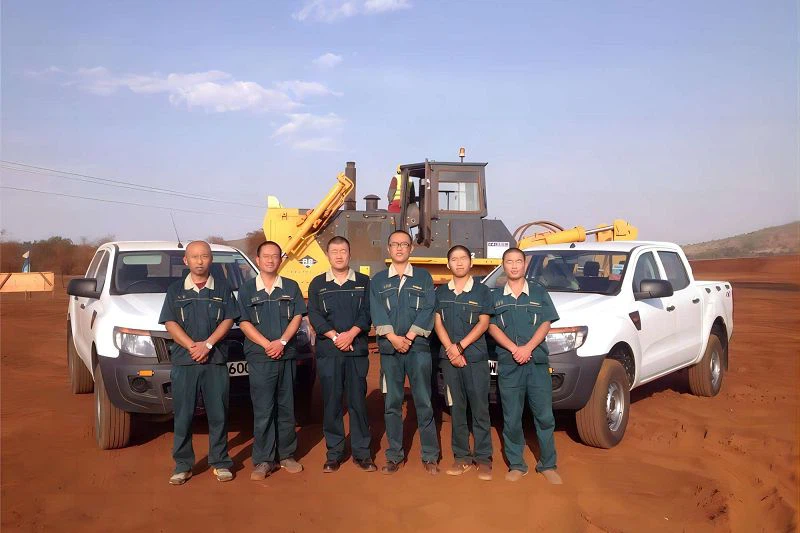
Our Factory



Common Problems of Track Roller
We're professional track roller manufacturers and suppliers in China, specialized in providing high quality customized service. We warmly welcome you to buy high-grade track roller for sale here from our factory.
track roller double flange, Double Flange Track Roller, bottom roller excavator